Food often appears simple: produce, sell, buy, consume. Yet behind every food lies a complex global system linking natural resources, agriculture, industry, trade, transport, finance, scientific knowledge, and political choices. This value chain creates enormous benefits: it feeds more than eight billion people, supports billions of jobs and generates several trillion dollars in economic value each year.
But does this visible value tell the whole story? Do the prices displayed truly reflect the cost of producing food? What happens to the costs associated with water pollution, biodiversity loss, greenhouse gas emissions, diet-related diseases, or the insecurity faced by some producers? These costs, which are often absent from economic transactions, are known as “hidden costs” or “negative externalities”.
From producing seeds and fertilisers to preparing meals, every stage creates value while also generating positive and negative external effects. Who benefits from this added value? Who bears the hidden costs? How can food security, health, decent incomes, the protection of natural resources, and access to affordable food be reconciled?
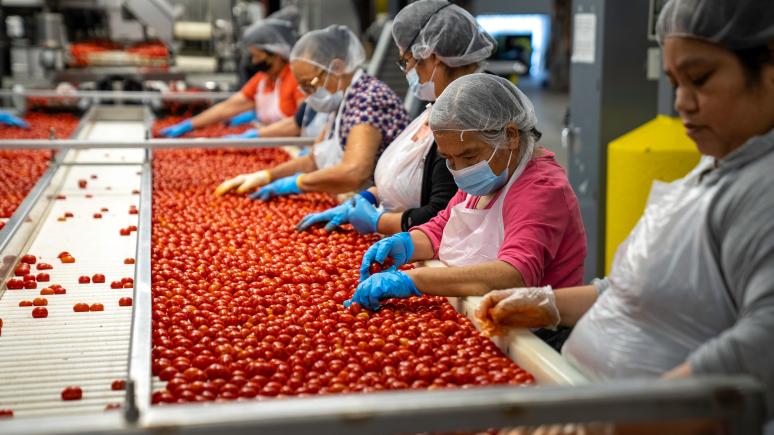
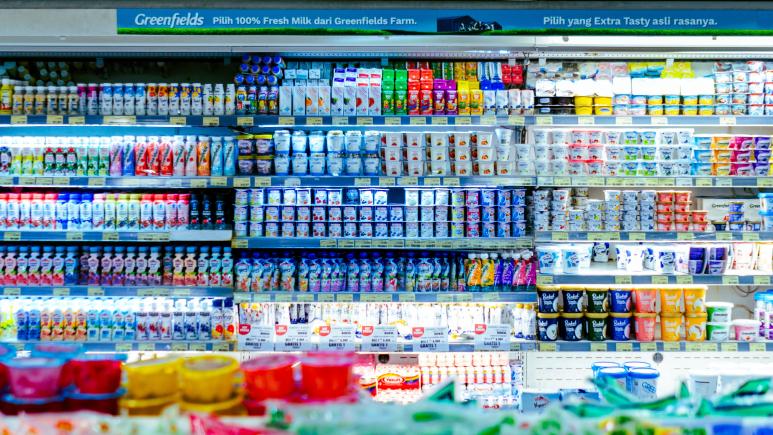
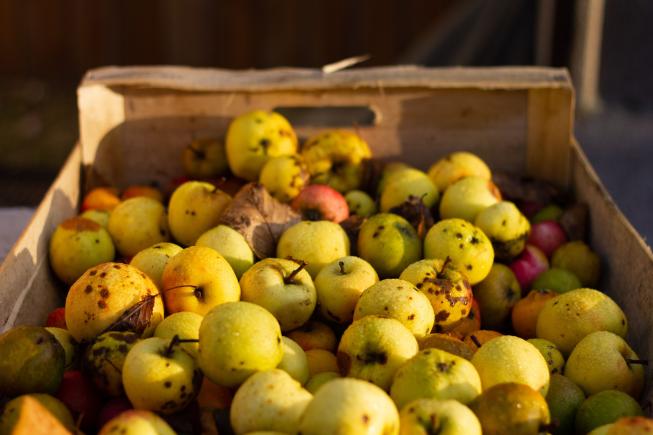
This installation follows food through six major stages of the food chain. It invites you to explore the links between value creation and hidden costs, understand the interdependence of the system’s participants, and consider an essential question: what is the true price of our food?
Exhibition
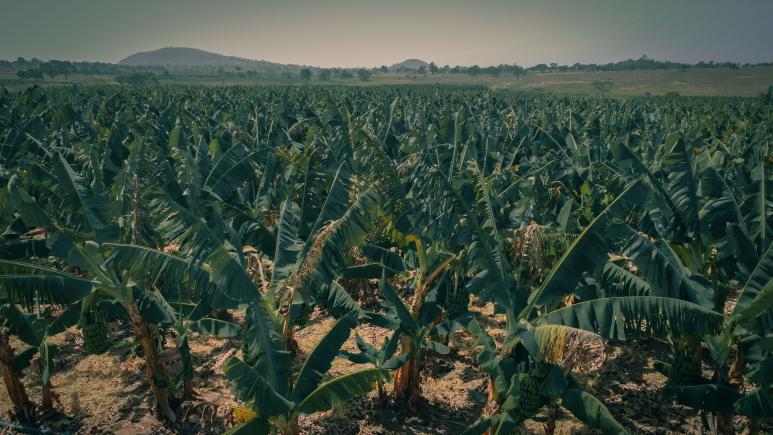
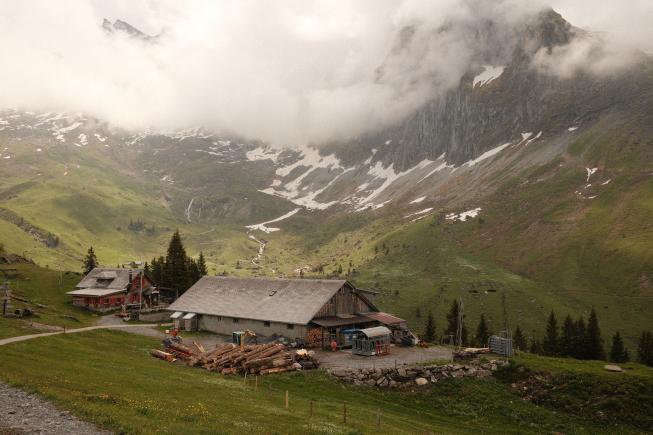
Who Produces the Foundations of Our Food?
Transforming Living Systems: Agricultural Production