When Does Food Become a Product?
Making It Last: Storage and Processing
© Los Muertos Crew / Pexels
Storage and processing
Storage derives from store, ultimately from the Latin instaurare (“to renew or provide”), and refers to keeping goods safely for future use. Processing comes from the Latin processus (“progression” or “course of action”), and refers to operations that alter a product physically, chemically, or biologically. In the food system, storage and processing include preserving, treating, and transforming agricultural products so that they remain safe, stable, and suitable for distribution and consumption.
The added value of storage lies in controlling time. Preserving harvests stabilises supply, reduces post-harvest losses, and makes it possible to sell at the economically most favourable moment. Silos, cold stores, and controlled-atmosphere facilities convert seasonal production into continuous availability over longer periods, thereby increasing its economic value.
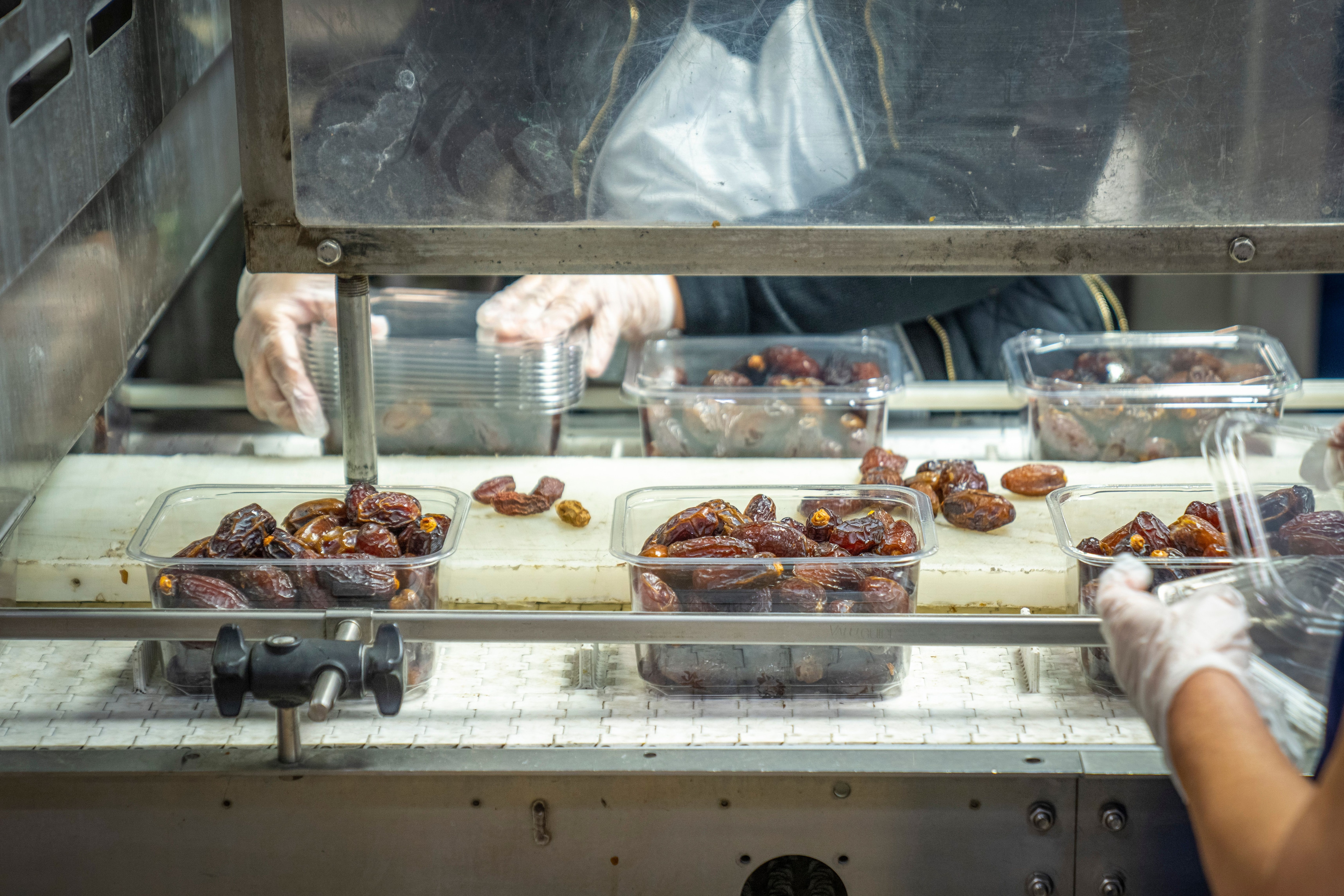
Industrial processing creates additional value by changing the physical, chemical, and sensory properties of raw materials. Milling, cooking, fermentation, and formulation diversify the range of products, extend shelf life, and adapt foods to consumer expectations. Added value also comes from separating components — proteins, oils, and starches — and recombining them into products with higher profit margins. This segment captures a substantial share of the final monetary value.
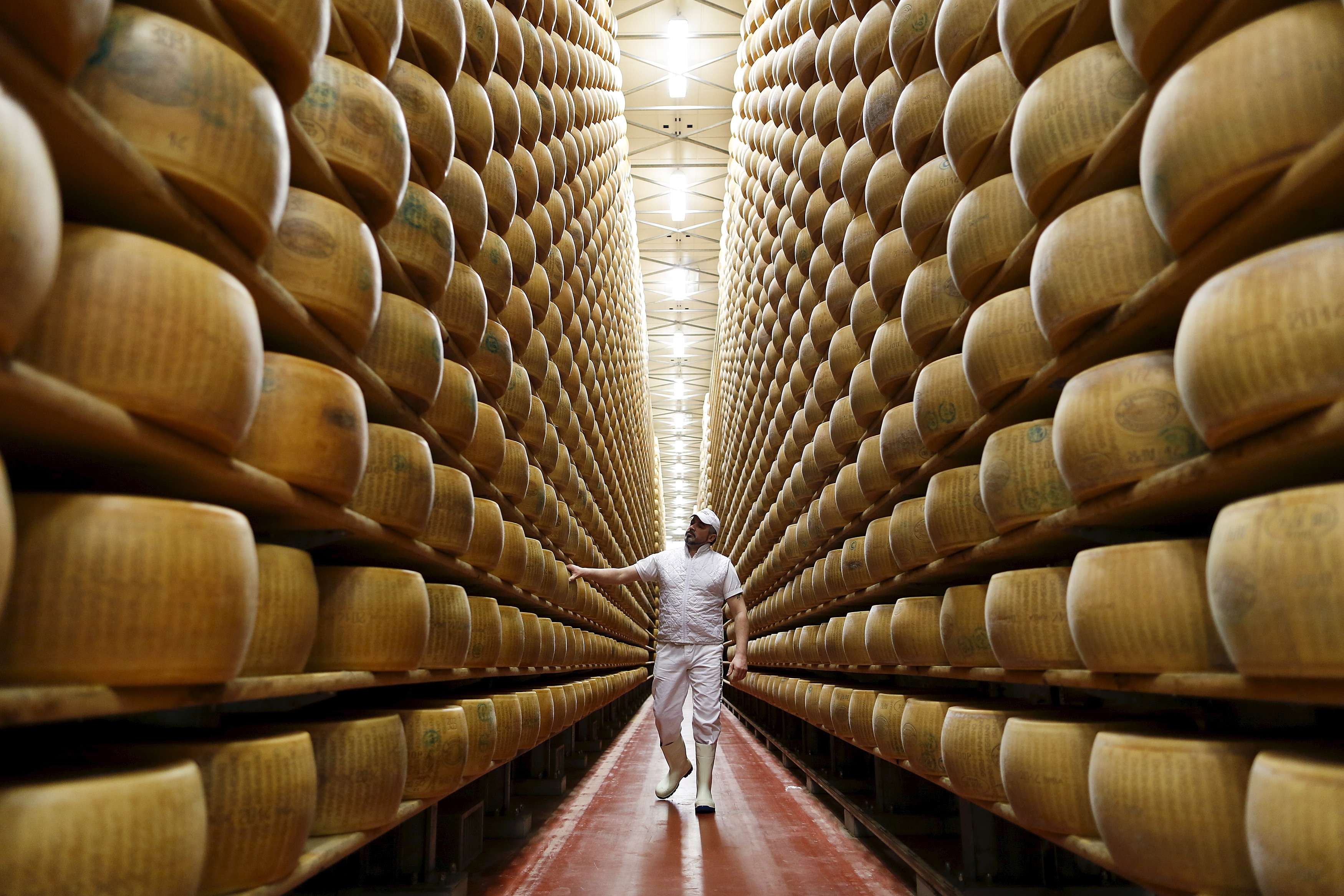
Parmesan maturing facility of dairy cooperative “4 Madonne Caseificio dell’Emilia” in Modena, Modène (Italie), 18.02.2016 © REUTERS / Alessandro Bianchi
The Hidden Costs of Storage and Processing
Storage and processing require energy, refrigerated infrastructure and packaging, generating emissions, waste and food losses. Loss and waste throughout the chain account for a substantial share of its overall environmental impact.
When ultra-processed foods form a disproportionate part of the diet, they are associated with significant health costs, including chronic and metabolic diseases, cardiovascular disease and cancer, as well as increased dependence on standardised products. At territorial level, industrial concentration contributes to the disappearance of local skills and reduces the added value distributed within regions. Economies of scale therefore conceal deferred collective costs.
Preserve, Process… and Sometimes Lose
Storage and processing make it possible to keep food for longer, improve its safety, and create new products. Yet losses also occur at this stage. Poor storage conditions, humidity, pests, breaks in the cold chain, or contamination can make food unfit for consumption. During processing, manufacturing defects, breakdowns, product recalls, or packaging errors may result in entire batches being destroyed. Peelings, bones, fish bones, and pulp become co-products when they are recovered, but resources are still lost. How can more of these residues become new raw materials rather than waste?
Examples of Practical Solutions
- Reward Waste Reduction
Financial incentives for companies that meet measurable targets for recovering co-products. - Reward Nutritional Reformulation
Tax benefits or greater visibility for products containing less salt, sugar, and fat. - Energy Bonus
Public support for decarbonised industrial sites. - Ethical Choice: Favour Less Processed Food
Choosing simple, responsibly produced foods rewards manufacturers that invest in quality rather than ultra-processing.