Does It Really Begin in the Field?
Before Production: Agro-Inputs
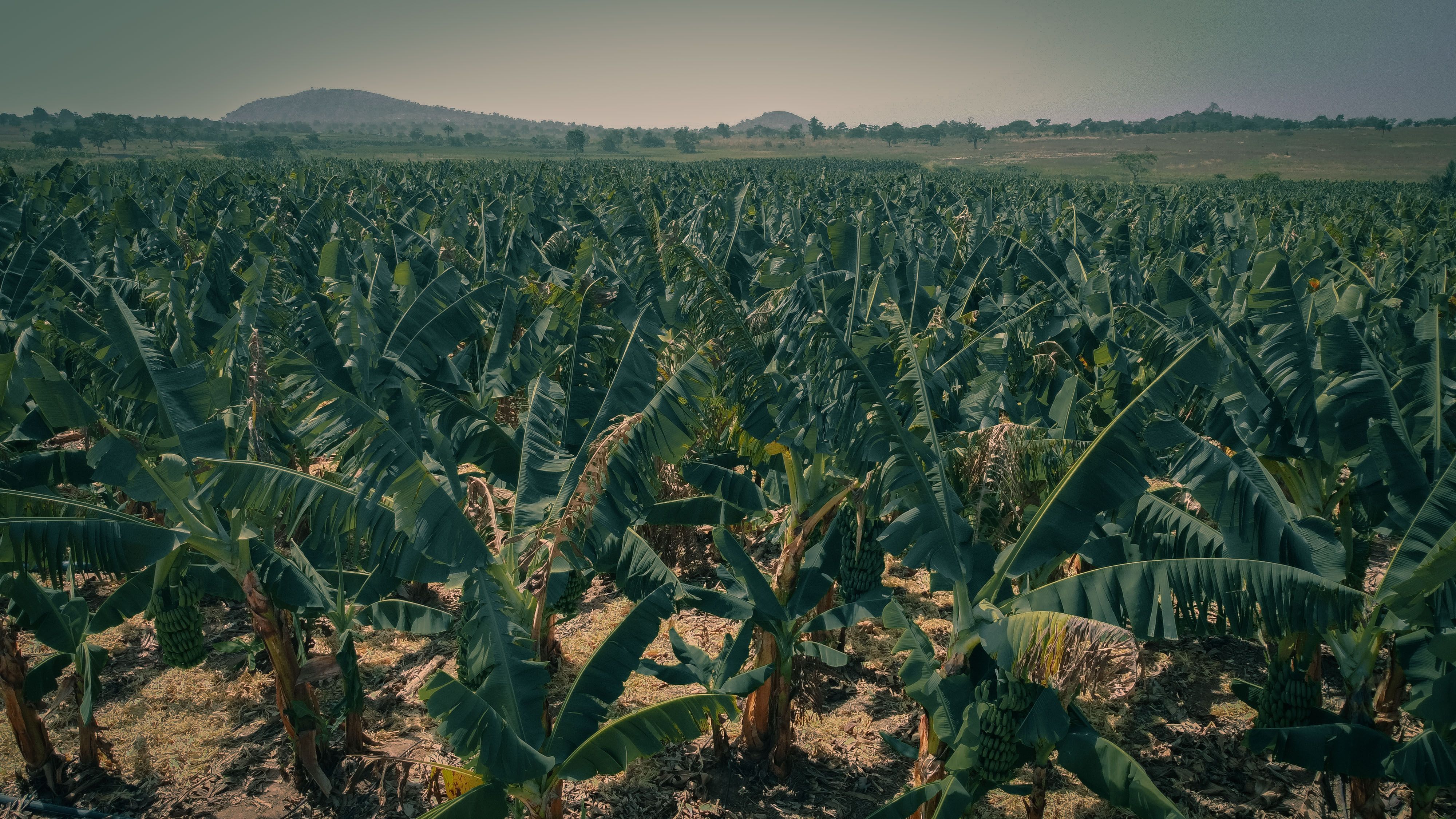
© David Kwewum / Quelle: Pexels
Inputs (agricultural inputs, farm inputs, or agro-inputs)
Inputs are the resources used to carry out agricultural production. They include seeds and planting material, animal feed, fertilisers and soil amendments, crop-protection and veterinary products, water, energy, machinery, labour, knowledge, and specialist services. Inputs may be produced on the farm or obtained from external suppliers. Their use influences yields, production costs, working conditions, environmental impacts, and farmers’ dependence on markets and technologies.
The added value of the inputs segment lies first in the measurable increase in biological productivity. Selected, hybrid, or genetically improved seeds can make crops more uniform, improve resistance to biotic and abiotic stresses, and optimise plant growth cycles. Mineral fertilisers, particularly nitrogen, phosphate and potash fertilisers, make essential nutrients immediately available and overcome the natural limitations of soils. Crop-protection products safeguard yields by reducing losses caused by weeds, insects, and pathogens. Together, these inputs turn an uncertain environment into a more predictable agronomic system.
Value is also created through standardisation and industrial scalability. Input production relies on agricultural research, industrial chemistry, biotechnology, and global logistics. These sectors capture a significant share of agricultural profits through intellectual property, patents on living organisms, economies of scale, and the technical dependence they establish. Upstream of all food production, they shape the performance of the other links and control a strategically important part of the chain.
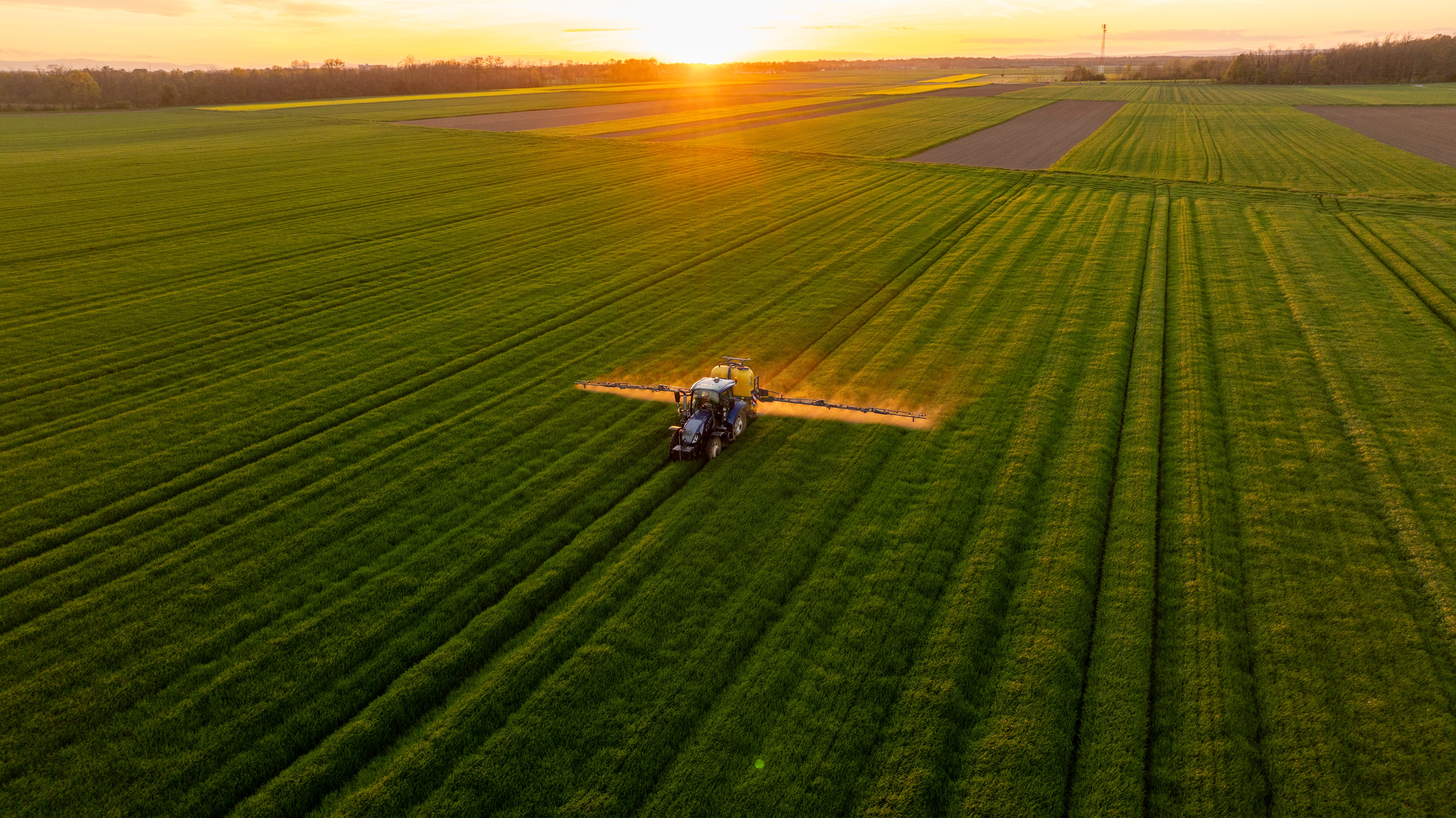
Spraying of plant protection products, Slovénie, 2025 © SimonSkafar / Getty Images
Externalities and Hidden Costs Associated With Agro-Inputs
Inputs — water, seeds, synthetic fertilisers, crop-protection products, energy, and agricultural machinery — generate major hidden costs. Many depend on fossil and mineral resources, producing greenhouse gas emissions, industrial pollution — particularly from natural gas — and geopolitical dependencies. The large-scale use of fertilisers disrupts global nitrogen, phosphorus, and potassium cycles, while pesticides produce persistent ecotoxic effects that are difficult to measure throughout the value chain. One crucial fact is that agriculture accounts for 70% of global freshwater withdrawals. Access to this essential input is vital for every form of production and always has an environmental impact.
These environmental costs are compounded by social and political costs: concentration in seed markets, patents, farmers’ technological dependence, and power imbalances between multinational corporations and producers. Public expenditure on regulation, health and safety controls, and pollution clean-up is only partly reflected in input prices. The true cost therefore greatly exceeds the stated purchase price.
Losses Before Production Even Begins
Losses begin before harvest. Seeds that fail to germinate, plants destroyed by frost, drought or flooding, fertilisers washed away by rain, pesticides rendered ineffective by resistance, and irrigation water lost through evaporation or leaks all consume resources without producing food. Every failure uses land, energy, and raw materials. Adapting crops more effectively to the climate can already reduce these losses.
Examples of Practical Solutions:
- Reward Low-Impact Innovation
Provide financial support to companies developing biofertilisers, biological control solutions, and resilient seeds. Sustainable innovation must be more profitable than chemical dependence. - Regulatory Incentives for Low-Impact Inputs
Offer tax relief and priority access to public procurement to suppliers that reduce toxicity and carbon footprints. - Reward Transparency
Give a commercial advantage to companies that publish the complete environmental footprint of their products. - Ethical Choice: Support Responsible Supply Chains
By choosing products from low-input forms of agriculture, consumers reward committed suppliers. Every purchase becomes an economic signal.