Who Decides How Food Travels?
The Power to Move It: Commodity Trading
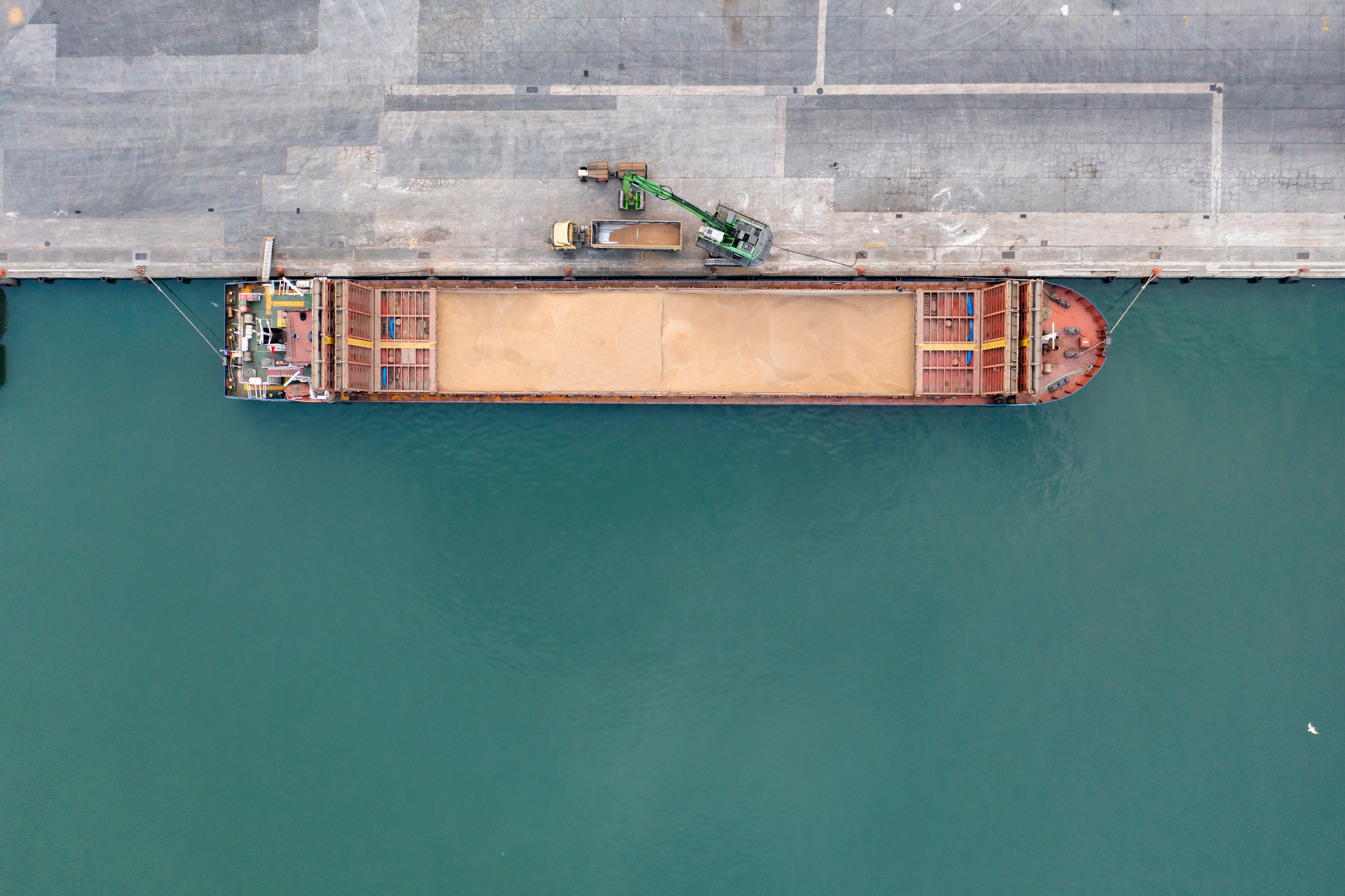
© Mark Stebnicki/Pexels
Commodity trading
The word commodity comes from the Latin commoditas (“usefulness, advantage”), while trading refers to the buying and selling of goods. In food and agriculture, commodity trading covers transactions involving raw materials, together with the markets and price-setting mechanisms through which they are exchanged.
The added value of commodity trading lies in intermediation and risk management. Trading companies connect surplus-producing regions with areas in deficit, keeping global flows moving. Futures contracts, financial instruments, and insurance mechanisms help smooth uncertainty caused by climatic or geopolitical events. Skilled trading turns uncertainty into economic opportunity.
Value is also created through information and coordinating power. Trading companies hold strategic data on harvests, stocks, and consumption trends. This capacity to anticipate developments, combined with control of logistics — ports, silos, and shipping fleets — enables them to capture margins from international price differentials. Commodity trading also creates organisational value by structuring markets and establishing global benchmarks.
The Hidden Costs of Trading Food Commodities
International commodity trading optimises the flow of agricultural raw materials and market liquidity, but it generates hidden costs associated with price volatility, speculation, and many countries’ dependence on imports or exports. Trade imbalances influence land use and global greenhouse gas emissions.
Socially, the concentration of power among four major commodity traders creates information and bargaining asymmetries. Known by the acronym ABCD, these four companies control more than 50% of world trade, representing an annual flow of raw materials estimated at hundreds of millions of dollars. The environmental impacts of maritime transport, imported deforestation, and resource extraction remain largely invisible to the final consumer. These systemic costs are absorbed by ecosystems and public finances rather than by the dominant operators.
Losses During the Journey
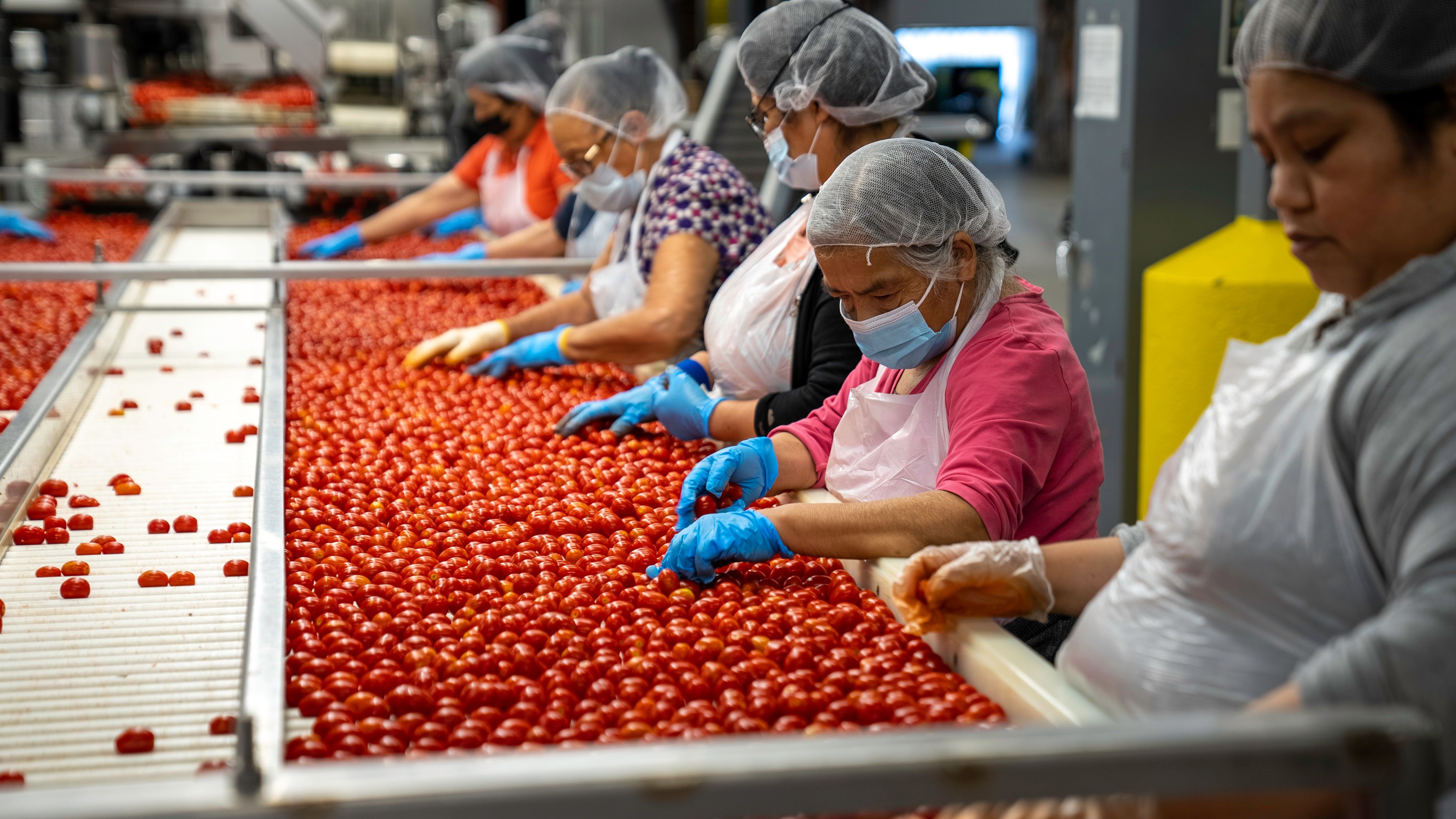
After harvest, food may be lost during storage, loading, transport, or international trade. Breaks in the cold chain, humidity, pests, defective packaging, accidents, delays, strikes, conflicts, border closures, and port congestion can all damage products. Market fluctuations may also leave harvests without an outlet. The longer the chain, the greater the risk of loss.
Examples of Practical Solutions
- Premiums for Deforestation-Free Supply Chains
Differentiated payment for certified responsible raw materials. - Traceability Bonus
Preferential market access for operators that publish their supply chains. - Financial Incentives for Contractual Stability
Reward long-term contracts that give producers greater security. Ethical Choice: Demand Transparency
Ask where products come from and support brands that publish their data. Citizen pressure influences business strategies.