Do You Always Make Informed Choices About What You Buy?
Retail: Choosing From the Shelves
© novianadss/Pexels
Retail
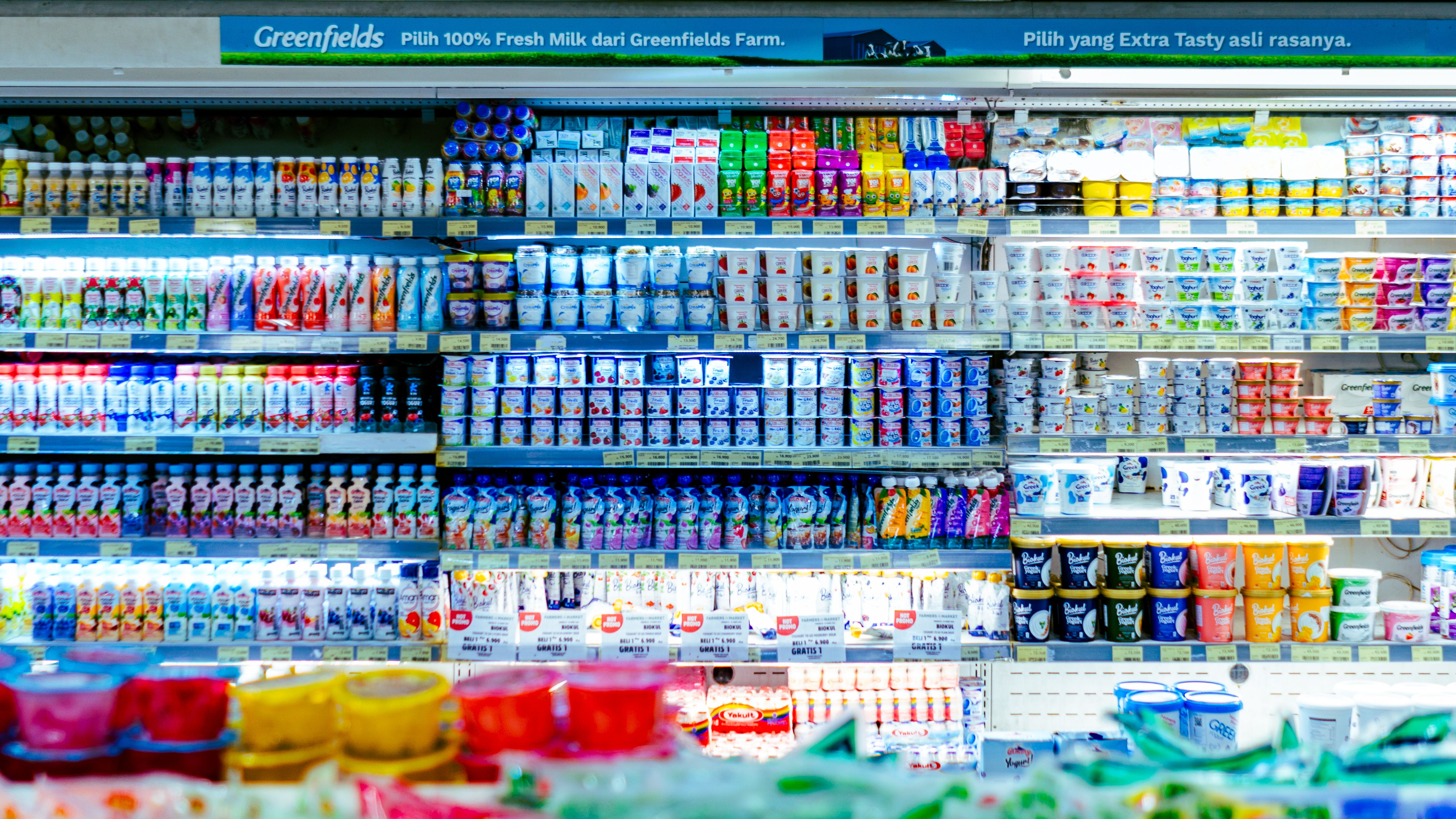
The word retail comes from the Old French retaillier, meaning “to cut up” or “divide into smaller portions”. It refers to the sale of goods directly to final consumers, usually in relatively small quantities. In the food system, retail includes outlets ranging from local shops and market stalls to supermarkets, hypermarkets, and online stores.
The added value of retail lies in its strategic role as the interface between supply and demand. Retailers bring together, select, and rank a multitude of products from complex supply chains, drastically reducing transaction costs for the final consumer. Centralised purchasing, volume negotiations, and optimised flows generate substantial economies of scale. Control over product ranges, availability, and location creates crucial convenience value in urbanised societies where time is experienced as a scarce resource.
Value is also created by shaping perceived value. Merchandising, range segmentation, own brands, promotional strategies, and the use of consumer data can direct preferences and optimise margins. Retail does not simply sell products: it structures demand, influences quality standards, and captures a significant share of final value by controlling market access and the direct relationship with consumers.
The Hidden Costs of Retail
Retail concentrates environmental costs associated with in-store food waste, the destruction of unsold goods, and the energy consumption of commercial premises. Avoidable food losses account for a substantial proportion of the total ecological footprint.
Promotional strategies and nutrition marketing can steer consumers towards excessive consumption of energy-dense or ultra-processed products, contributing to dietary imbalances. Socially, economic pressure on suppliers, the concentration of central purchasing organisations, and the disappearance of local shops intensify territorial inequalities and insecure employment. These effects are not reflected in the prices on labels.
Losses in Shops
Retailers withdraw products from sale for many reasons: expired use-by dates, breaks in the cold chain, damaged packaging, fruit and vegetables considered too small, too large, or imperfect, ordering errors, excess stock, or falling demand. Some products are donated or processed, but many are still thrown away. How can all the food produced be sold, rather than only the food that meets expected standards of perfection?
Examples of Practical Solutions
- Public Sustainability Performance Index
Rank retailers according to their waste rate, the share of local products and their carbon footprint. Reputation becomes a reward or a penalty. - Redirect Promotions
Provide financial recognition to retailers that prioritise the healthiest and most sustainable products. - Fair Sharing of Value
Encourage retailers that guarantee fair margins to producers. - Ethical Choice: Consume Strategically
Shop with transparent retailers, buy 'imperfect' produce and reduce waste. Your shopping basket becomes an economic vote.