


Understanding Value Chains in Order to Act
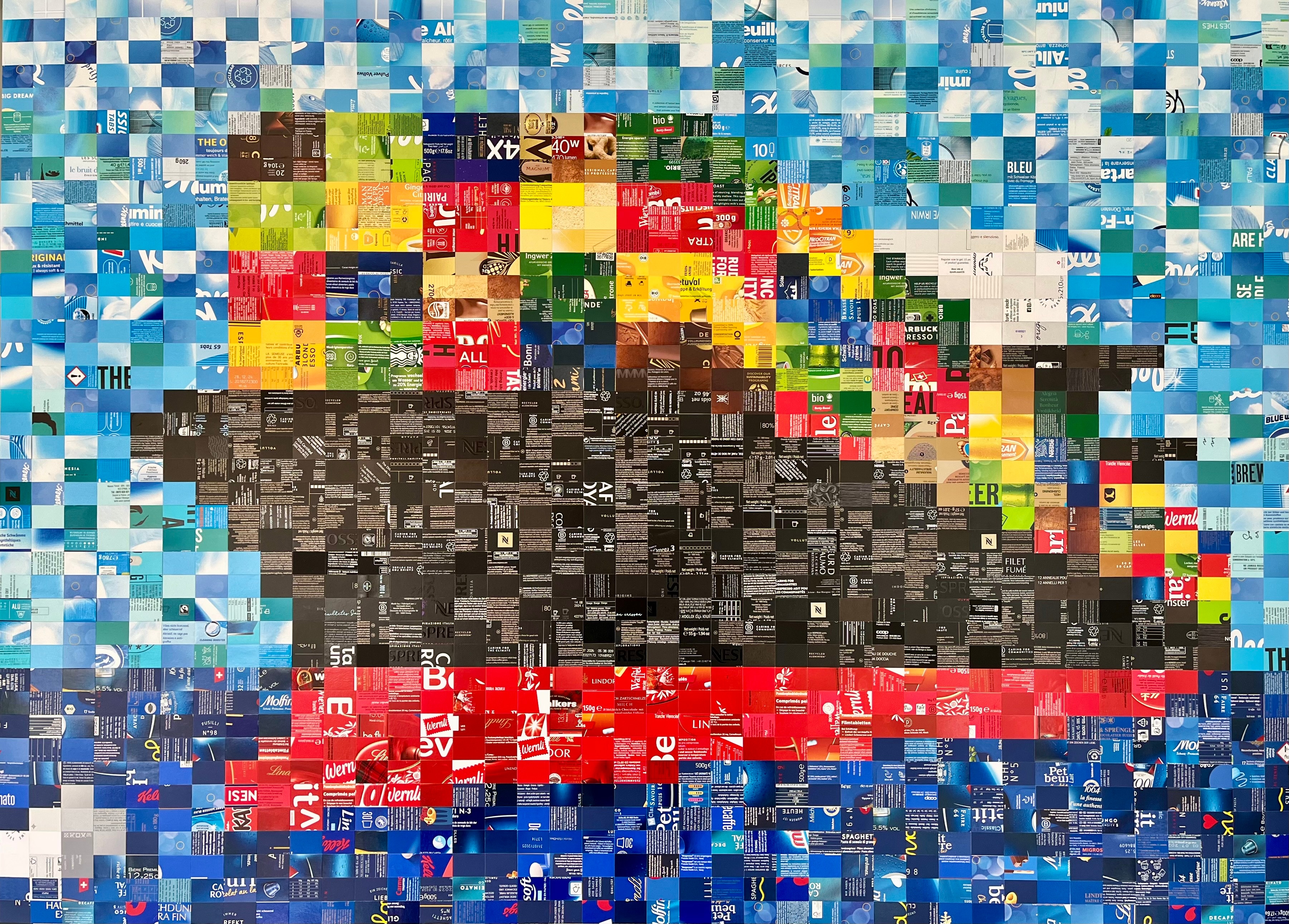
Grégoire Vorpe, Brise-Glace, 2025, Lausanne (Vaud, Suisse) © Grégoire Vorpe
The global food system has enabled remarkable progress. Humanity has never produced so much food or possessed so much scientific knowledge, technical capacity, and logistical capability to feed such a large population. Yet these achievements are accompanied by major challenges. Soil degradation, biodiversity loss, greenhouse gas emissions, pollution, food waste, income inequality, and public-health problems remind us that food prices do not always reflect the full extent of their true costs.
Exploring value chains shows that no stage acts in isolation. Choices concerning inputs, production, commodity trading, processing, distribution, and consumption produce effects throughout the system. Understanding these interdependencies allows us to move beyond a simple opposition between individual and collective responsibility: both perspectives are necessary.
The research synthesised in this installation also shows that no single solution can address the complexity of food-system challenges. Technical innovation, new forms of governance, changes in agricultural practices, reduced loss and waste, greater supply-chain transparency, changing consumption habits, and better recognition of hidden costs are all complementary levers.
The future is therefore not completely predetermined. Scientific knowledge has existed for many years, experiments are multiplying and numerous initiatives are already under way. The question remains open: how can we produce, exchange, and consume food that contributes sustainably to human well-being while respecting the planet’s ecological limits? The answers will depend on collective choices, but also on each person’s ability to understand the consequences of their decisions and participate in the transformations now taking place.