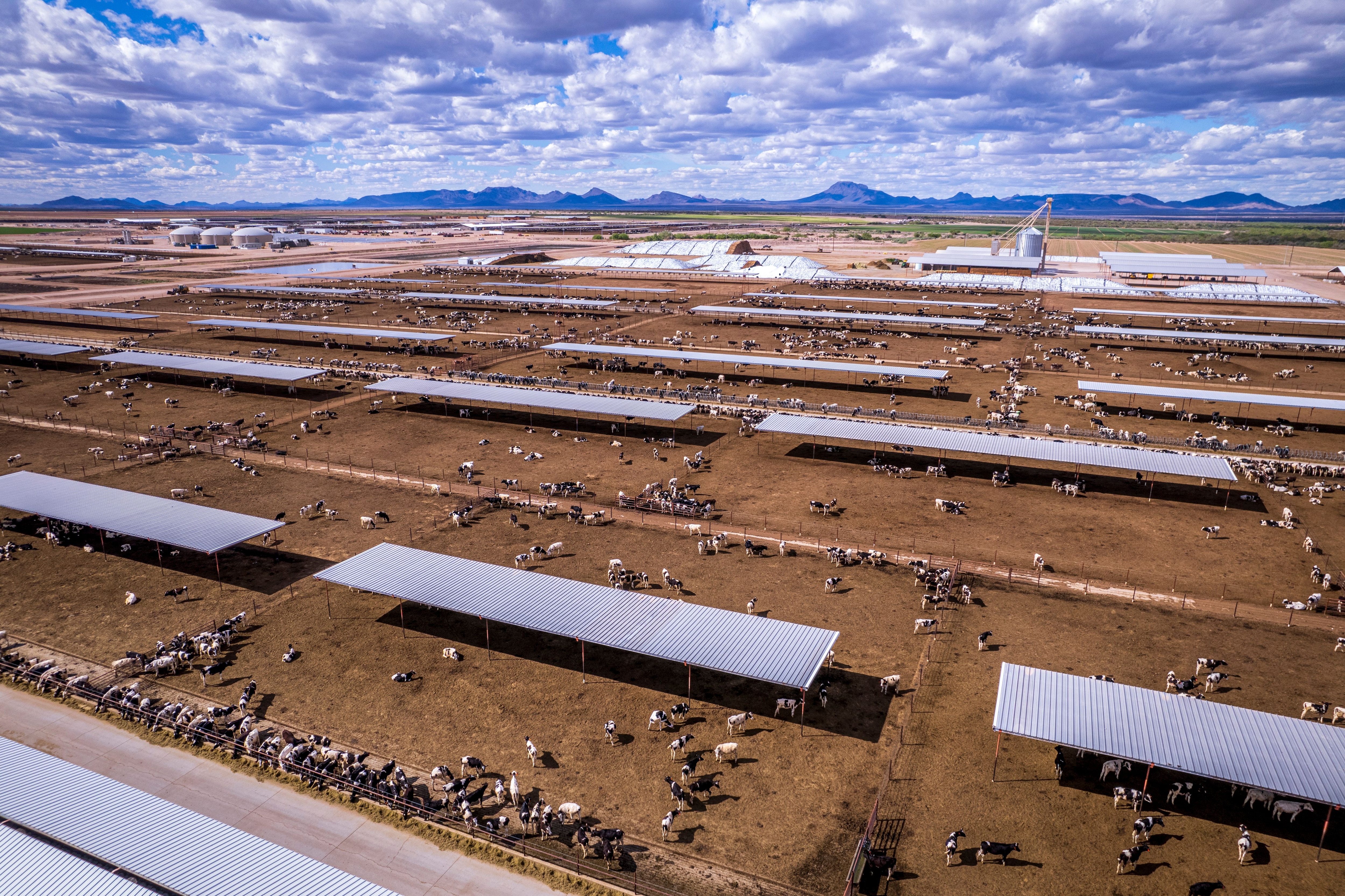
Who Produces the Foundations of Our Food?
Transforming Living Systems: Agricultural Production
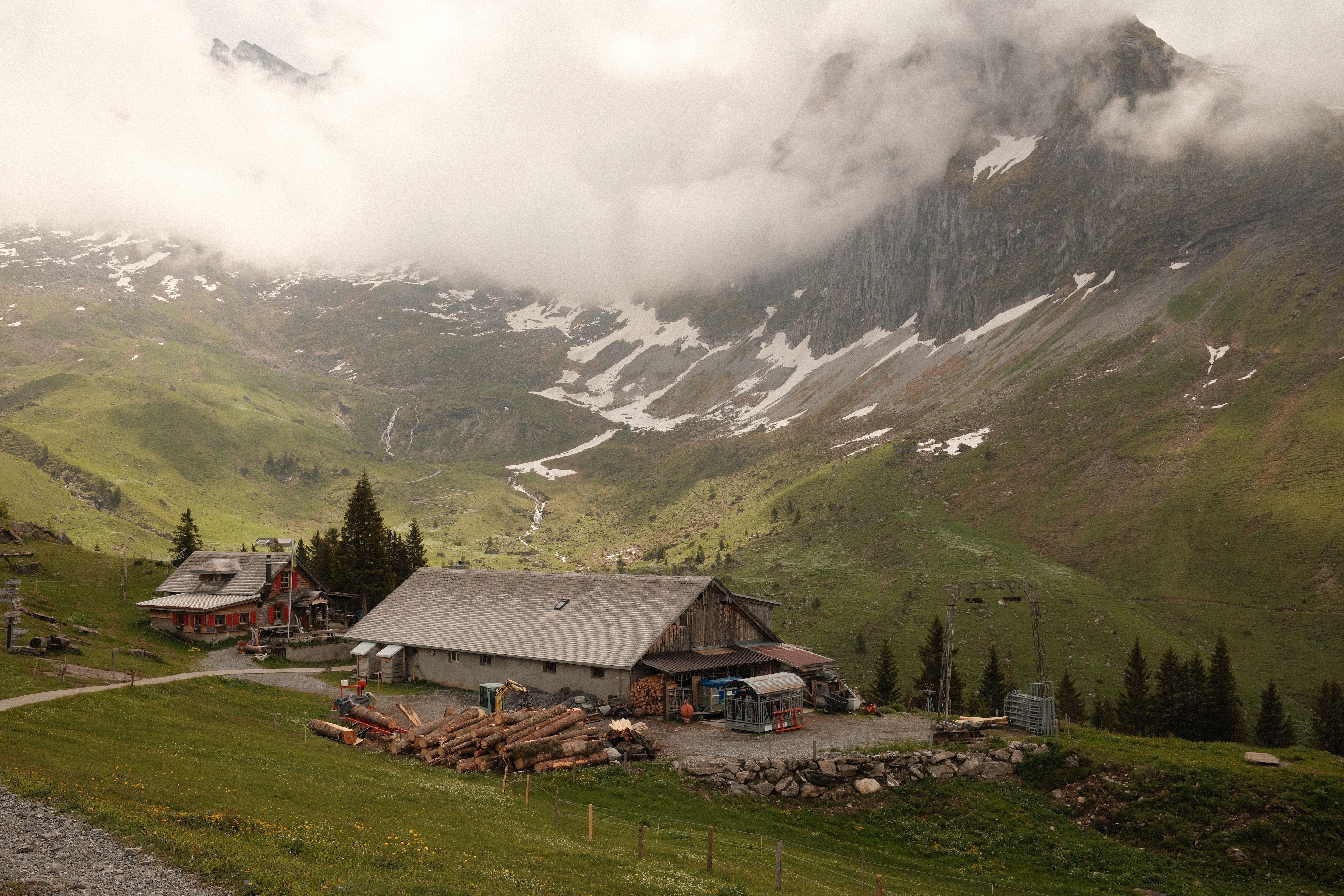
© Ilia Bronskiy/Pexels
Production
The word production derives from the Latin producere, meaning “to bring forth” or “to lead forward”. In agriculture and livestock farming, it refers to the organisation of natural resources, labour, knowledge, capital, and technical inputs to grow crops, raise animals, and obtain food and other agricultural products.
The added value of agricultural production lies in the direct conversion of natural resources into tradable food. Land, water, solar energy, and labour — primary inputs — are combined to produce edible plant and animal biomass that can be sold on markets. Production creates new value by converting intermediate inputs, such as seeds, fertilisers, and fodder, into goods with immediate economic usefulness: the products of farms, livestock holdings, and plantations. This biological conversion is the material core of the chain: using living systems to create value.
Value creation also depends on how the factors of production are organised. Mechanisation, farm specialisation, optimised crop rotations, and technical herd management increase volumes and make deliveries more regular. Labour and capital productivity, measured as yield per hectare or per animal, can reduce unit costs and increase gross margins. Production is therefore the territorial anchor from which biological value becomes market value.
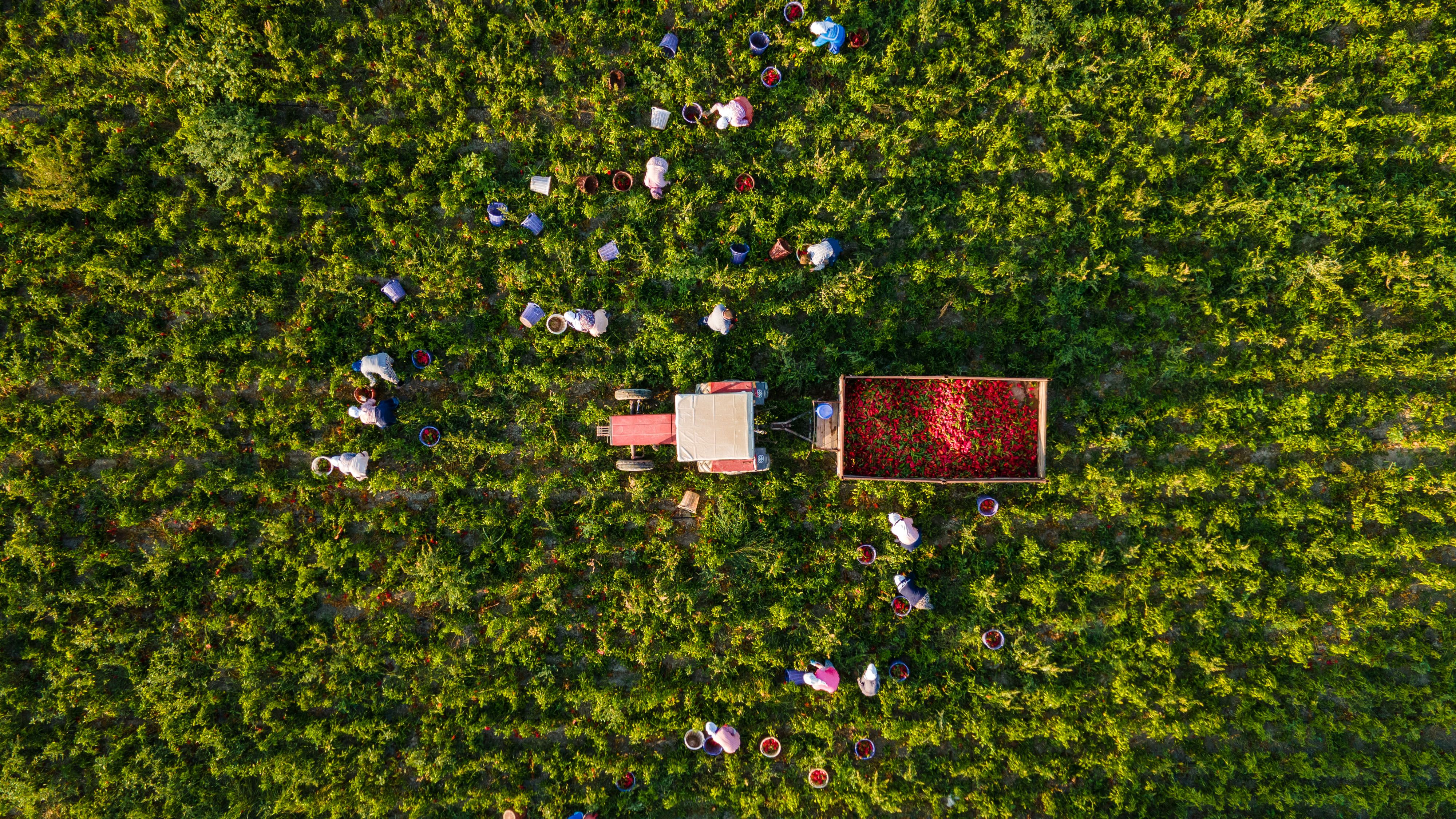
Kapya pepper harvest, Bergama (Izmir, Turquie), 30.09.2023 © Adem Albayrak / Pexels
The Hidden Costs of Agricultural Production
Agricultural production externalises a substantial proportion of its impacts worldwide. Soil erosion, biodiversity loss, groundwater contamination, and agricultural greenhouse gas emissions become deferred costs for society. The pursuit of yield at any price creates production systems that severely affect the sustainable use of agricultural land and, more broadly, habitats and ecosystems.
Health costs notably include agricultural workers’ exposure to chemicals and the psychosocial risks associated with debt and market volatility. In the long term, biological resistance, and ecosystem degradation increase future production costs. The system therefore shifts the consequences of poorly regulated intensification into the future.
Losses in Fields and Livestock Farming
Crops may be lost to droughts, floods, storms, pests, diseases, fires, extreme heat, or hail. They may also remain unharvested because labour, machinery, or fuel is unavailable, or because the selling price no longer covers the cost of harvesting. In livestock farming, disease, animal mortality, and heat stress also reduce production. These losses represent labour, water, and resources used in vain.
Examples of Practical Solutions
- Payments to Farmers for Ecosystem Services
Explicitly pay for carbon storage and for conserving biodiversity and water. Farmers become providers of common goods. - Multi-Year Contracts at Fair Prices
Garantir un revenu stable aux exploitations engagées dans la transition écologique. - Certification Schemes With a 'Sustainability Bonus'
A visible premium for certified lower-impact production. - Ethical Choice: Pay the True Price
Accept that a sustainable product may cost more because it rewards a genuine effort. Reject the 'low price' that conceals a high collective cost.